Table Of Content
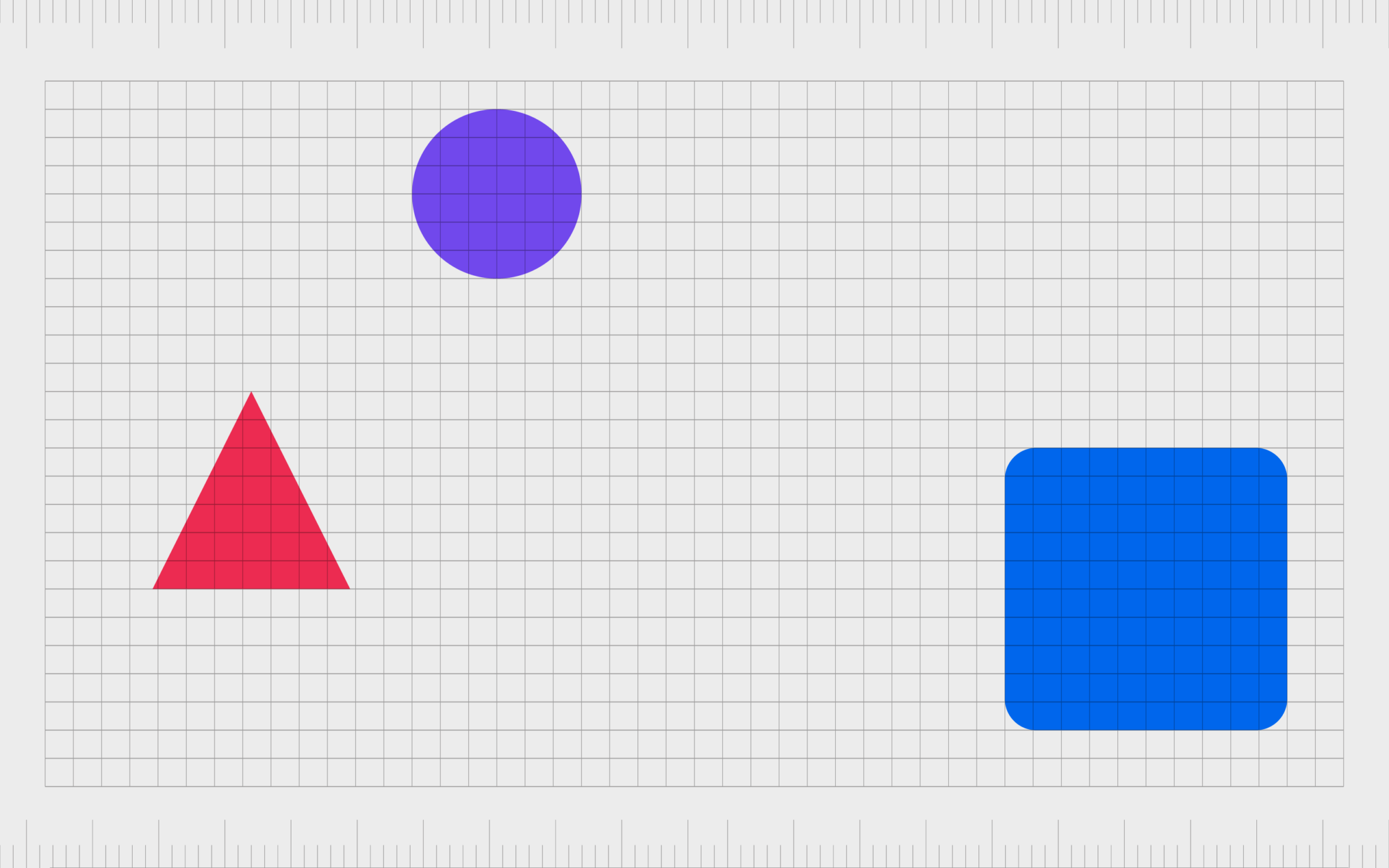
The axis should be strategically positioned to create a sense of balance and harmony. It's important to consider the overall composition and how the axis interacts with other elements in the design. In the above types of balance, designers can experiment with different combinations of visual weights. But there are times when there are too many elements in the design and each can be of different visual weights that cannot be easily segregated. As a design principle, balance refers to the distribution of elements in a specific artwork or design.
WHERE IS ARTIFICIAL INTELLIGENCE NAVIGATING HUMANITY?
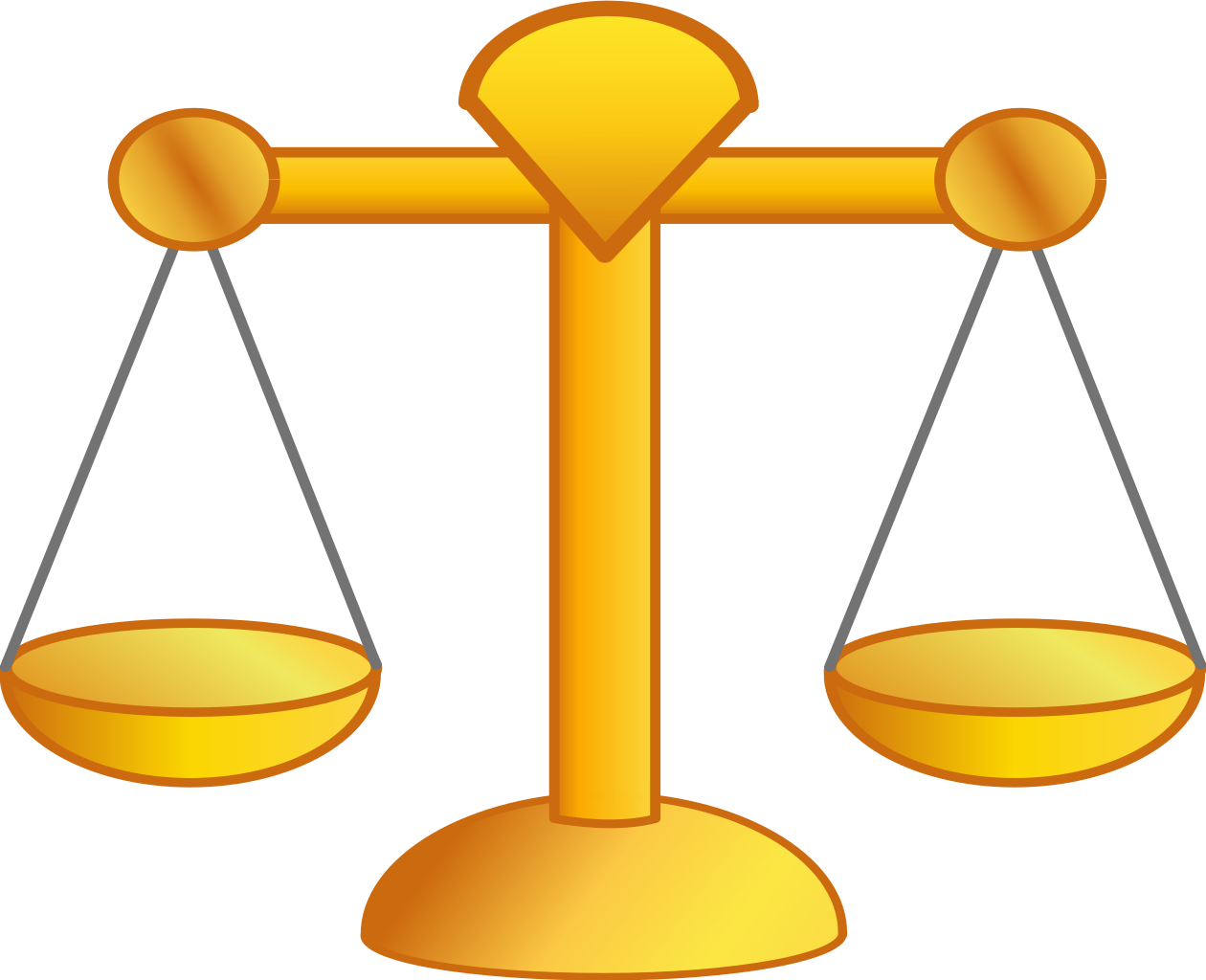
It refers to the distribution and visual weight of elements in a composition. A well-balanced design is naturally pleasing to the eye and exudes a sense of equilibrium. In an asymmetrical balance, the elements in the compositions are manipulated to change the image’s perspective.
How to Achieve Balance in Design: A Designer’s Perspective
Now, texture is often quite subtle in terms of a visual element. Yet it also requires the addition of a larger area of flat, non-textured surface to have the desired impact visually. That, and the required addition of other design elements, is often why this is considered one of the hardest elements to tweak.
MISSION CITY CENTER
Yuxin Zhou on her speculative practice and the balance between research and play - It's Nice That
Yuxin Zhou on her speculative practice and the balance between research and play.
Posted: Mon, 16 Nov 2020 08:00:00 GMT [source]
The symmetry can even occur over multiple axes at the same time. For example, the left and right half of a composition could mirror each other, while the top and bottom also mirror each other. Snowflakes show reflection symmetry over more than two axes. As a reminder, below are definitions for visual weight and visual direction, although I’ll refer you back to the fourth post in this series for more details.
A Comprehensive Guide on Creating a Sample Resume for an Assistant Controller (Tips & Examples)
This is because there’s not a lot of variety when it comes to creating symmetrical balance. This kind of symmetry occurs when visual elements repeat themselves across a space multiple times. To make a design really stand out, designers might find it easier to use textures.
Balance in Graphic Design: Understanding What it Means and How to Use It
As humans, our minds are better suited to follow order, both visually and otherwise. That is why we often find ourselves attracted to people with symmetrical facial features, or objects that are shaped symmetrically. There is a type of balance that not many graphic designers use as the result can sometimes be seen as a hot mess. It has no vertical alignment, but its horizontal alignment and the uniform size of the images balance it out. Radial balance is often used in designs that aim to create a focal point or draw attention to a specific element.
Ikki Kobayashi's new series investigates the tension between shapes and negative space - It's Nice That
Ikki Kobayashi's new series investigates the tension between shapes and negative space.
Posted: Wed, 04 Dec 2019 08:00:00 GMT [source]
Choose a template from Venngage’s library to strike the perfect balance with your next design. Balance can also help draw the viewer’s attention towards specific elements in a design. When used correctly, you can create focal points in a composition that will guide the reader to the most important information at hand. Radial balance is when you distribute elements around a single point — usually the center of a composition.
This type of balance creates a sense of movement and can draw the viewer's attention towards a specific focal point. It is often used in designs that aim to convey a sense of energy or motion, such as logos for sports teams or event posters. This type of balance in design is achieved by playing with the visual direction in the design. Pointed shapes or shapes flowing to one point in the image can all be used to instantly shift the attention to an area of elements with less visual weight.
The different types of symmetry and asymmetry

Logos that utilize symmetrical balance often convey a sense of professionalism and stability. By placing a central icon between two identical elements, designers can create a visually pleasing and balanced logo that is memorable and impactful. Symmetrical balance, also known as formal balance, is achieved when the visual weight is evenly distributed on either side of a central axis. Symmetrical balance is often used in more formal and traditional designs, as it conveys a sense of order and serenity. Where there is no axis of symmetry but a design still has an even visual weight, it is asymmetrically balanced.
Imagine a painting where the colors are evenly distributed, the shapes are arranged in a symmetrical manner, and the overall composition feels just right. The images above are great examples of symmetrical balance. Whichever way you divide them, they hold the same visual weight.
Get a pen and paper and draw three shapes; a circle, a square, and a blob. Now draw a line that runs through the center from top to bottom on the three shapes. Now, if you were to fold the shapes along the line, the circle and the square would fit perfectly on themselves, but the blob would not.
The packaging design for the cans in the example below is an excellent example of asymmetrical balance using color and shapes. Achieving visual balance is all about how things—objects, colors, subjects— relate to each other in the composition as a whole. Symmetry and asymmetry are two of the main tools at your disposal for creating a balanced graphic design that will delight instead of put off. However, one thing to note is that while asymmetrical balance and off-balance might sound similar, they are two entirely different concepts. In asymmetry, the balance is shifted slightly by altering the perspective.
Greater visual balance could be achieved by making the columns the same length and equally distributing the images on both sides of the vertical, central axis. Whether it’s symmetrical, asymmetrical, radial, mosaic, discordant, or other ways of balancing, think about which way will work best for your design. For instance, you can have several small elements that balance out one large element.
Look back at the second of the three seesaw images — it looks wrong because we can tell that the seesaw shouldn’t be in balance. A simple and easy way to achieve balance in design is to use positioning. The principle is to place a large element on one side and balance it out by placing smaller objects, such as texts, on the opposite side. Balance in design doesn’t always mean having all the elements in the center. You can have it flushed to the left or right, or in the case of the A Minor Fall book cover of the author Price Ainsworth, at the top.
So going off-balance is a choice you’ll want to tread cautiously with. And only if you are sure about the effect it will create on your audience. Leonardo da Vinci for instance, is known the world over for his meticulous attention to balance in masterpieces such as the Vitruvian Man and The Last Supper.
And if you want to incorporate such an idea into your logo design, you need to learn how to design a logo that could use discordant balance in design to its benefit. There’s no one right way to communicate that two elements are similar or different, for example. You don’t need to follow any of these principles, although you should understand them and have a reason for breaking them. The column in the image is slightly off center, and it anchors the composition with a strong vertical line — it’s an object we know weighs a lot.




No comments:
Post a Comment